
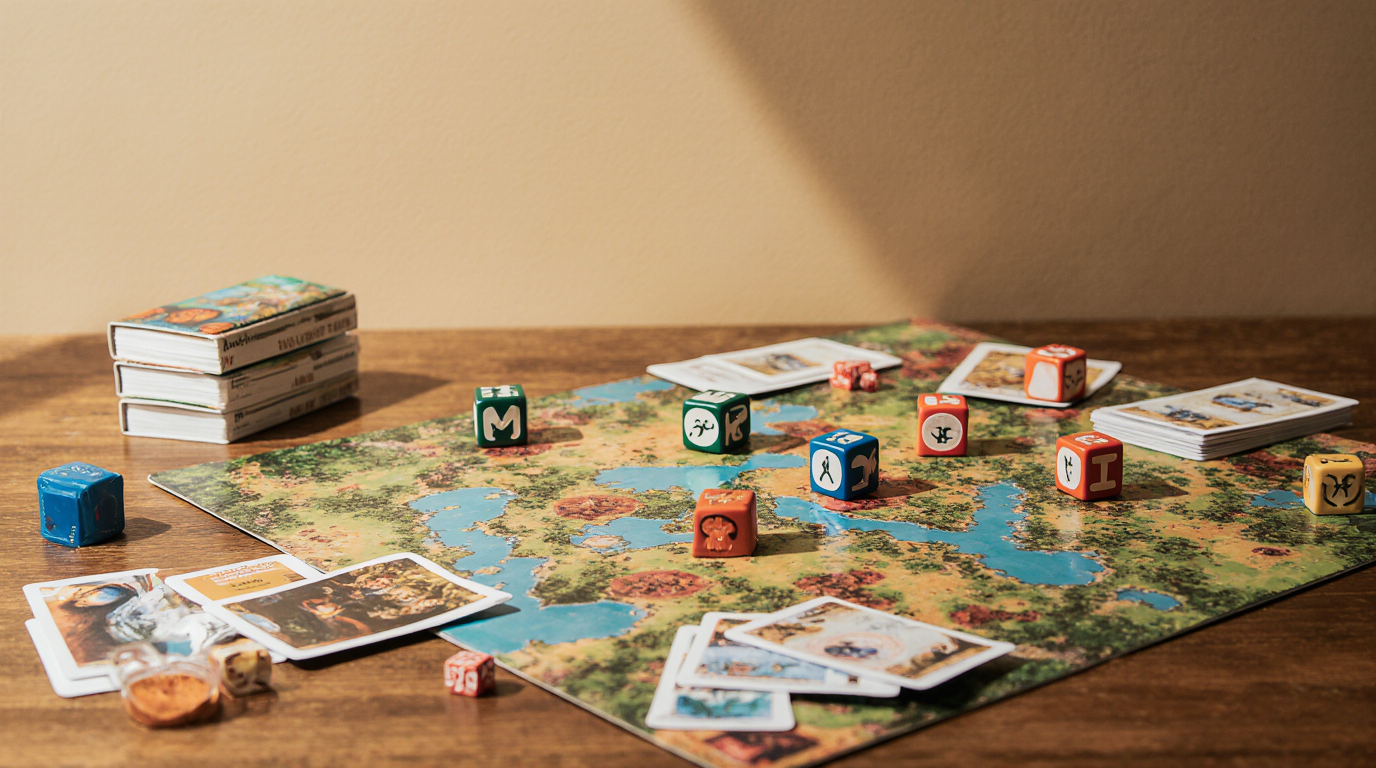
Writing a book is a big undertaking for anyone, but for many neurodivergent writers, it can feel less like a creative project and more like trying to climb a mountain. Wearing roller skates. During a windstorm.
The ideas are there. The passion is there. The talent is definitely there. But the motivation? The structure? The executive function? Those often need a little support.
Enter gamification, the secret superpower that can turn writing from an overwhelming task into something that actually feels fun, manageable, and achievable.
Why does making a game out of writing work so well for neurodivergent brains? How can you bring a bit of playful strategy into your author journey?
Why It Works
First off, gamification isn’t about turning your manuscript into a video game or dressing up like a wizard every time you open your laptop (unless you want to, in which case, carry on).
Gamification simply means adding game-like elements, points, levels, rewards, challenges, to everyday tasks to make them more engaging.
For many neurodivergent people this isn’t new. It’s instinctive.
1. The Dopamine Dilemma
Conditions like ADHD often come with dopamine regulation challenges. Long-term goals, like writing a sixty-thousand-word book, can feel so distant that the brain just shrugs and says, “Not today, thanks.”
Gamification fixes that by offering immediate, frequent rewards, the little dopamine boosts that help a writer stay motivated and keep coming back.
2. Structure Without the Boredom
A lot of neurodivergent individuals thrive with structure, as long as it doesn’t feel rigid or dull.
Gamification gives you: Clear rules, predictable steps, mini milestones, and a sense of progress, all without the stiffness of traditional productivity systems.
3. Confidence Through Micro-Wins
Big goals can be intimidating. Small wins build momentum. Gamification turns “Write a chapter” into:
- Complete Quest 1: Outline key points
- Complete Quest 2: Write 200 words
- Complete Quest 3: Flesh out one scene
Suddenly, progress feels attainable, and actually measurable.
You Already Gamify More Than You Think
Neurodivergent people often use gamification in daily life without realizing it. Have you ever:
- Set a timer and pretended you we’re in a race against the clock?
- Turned house-cleaning into a point system?
- Challenged yourself to finish a task before a song ended?
- Rewarded yourself with a snack after finishing something hard?
Congratulations, you’ve been gamifying your life like a pro.
And there’s a reason it works so well. It turns boring tasks into missions, reduces the “activation cost” of starting a task. It adds novelty and excitement. It creates accountability (even if it’s just to the timer) and it replaces dread with playfulness.
So if gaming the system helps you get things done in daily life, it makes perfect sense to apply it to something as big and complex as writing a book.
Why Does Gamification Make Writing Feel Good?
Here’s what writers often notice when they gamify their process:
- Writing feels lighter, less intimidating
- Goals become bite-sized instead of impossible
- Momentum builds quickly
- Consistency improves
- Confidence grows with every micro-win
Instead of struggling with executive dysfunction, procrastination, or overwhelm, you’re working with your brain and not against it.
That changes everything.
Writing Can Be Hard… But It Can Also Be Fun
Gamification isn’t childish, it’s strategic and supportive. For many neurodivergent authors, it’s the difference between feeling defeated by the writing process and actually enjoying it.
If turning your book into a series of quests helps you finish it, wonderful. If rewarding yourself with points and stickers keeps you writing, fantastic. If racing the timer turns the blank page into a game, brilliant.
At the end of the day, your goal isn’t to write a book the “normal” way. Your goal is to write a book your way.
And if your way involves a few game mechanics, some playful motivation, and a little dopamine magic? That’s not cheating, it’s a good strategy.
For me, gamification works because it turns effort into enjoyment. It gives my distractible brain something shiny to latch onto, a reason to stay present instead of wandering off mid-task. When there’s a clear goal, a tiny win waiting, and a small reward at the end (yes, sometimes that reward is a treat), my motivation sticks around longer. Tasks stop feeling like obligations and start feeling like choices. I’m not forcing myself to work; I’m inviting myself to play. And that shift, from pressure to permission, is often the difference between starting, continuing, and actually finishing.
Good luck authors! You’ve got this!
XXX
Melanie Gill